



Taking social isolation as seriously as high blood pressure
Find out how
Redesigning care through connection.
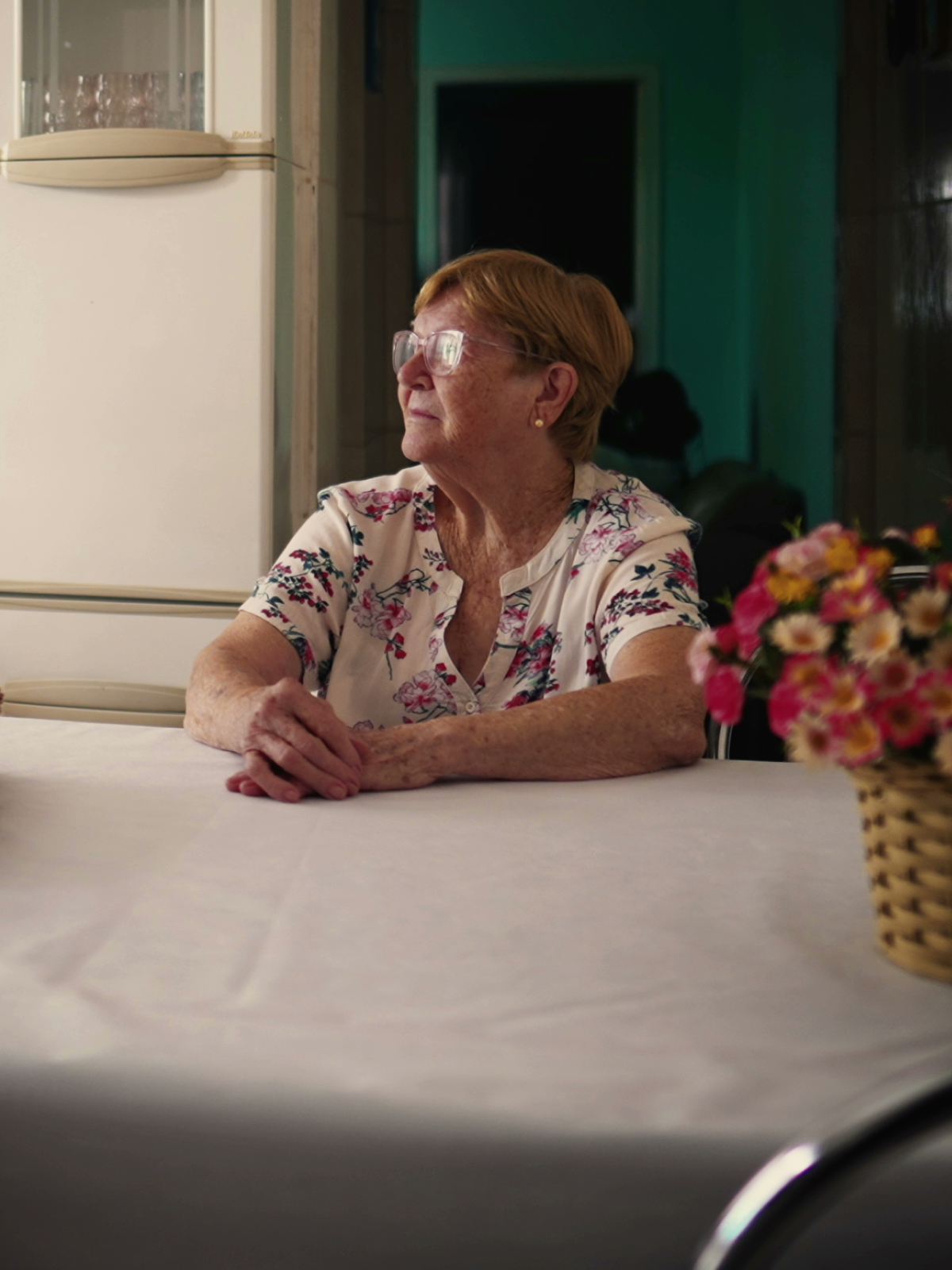
The Social Vital Sign project closes the gap between hospital care and community belonging. We recognize that hospital admission is a sentinel moment—a critical opportunity to identify social isolation and loneliness (SIL) and bridge the divide to community support.
Health is created at home and in the community.
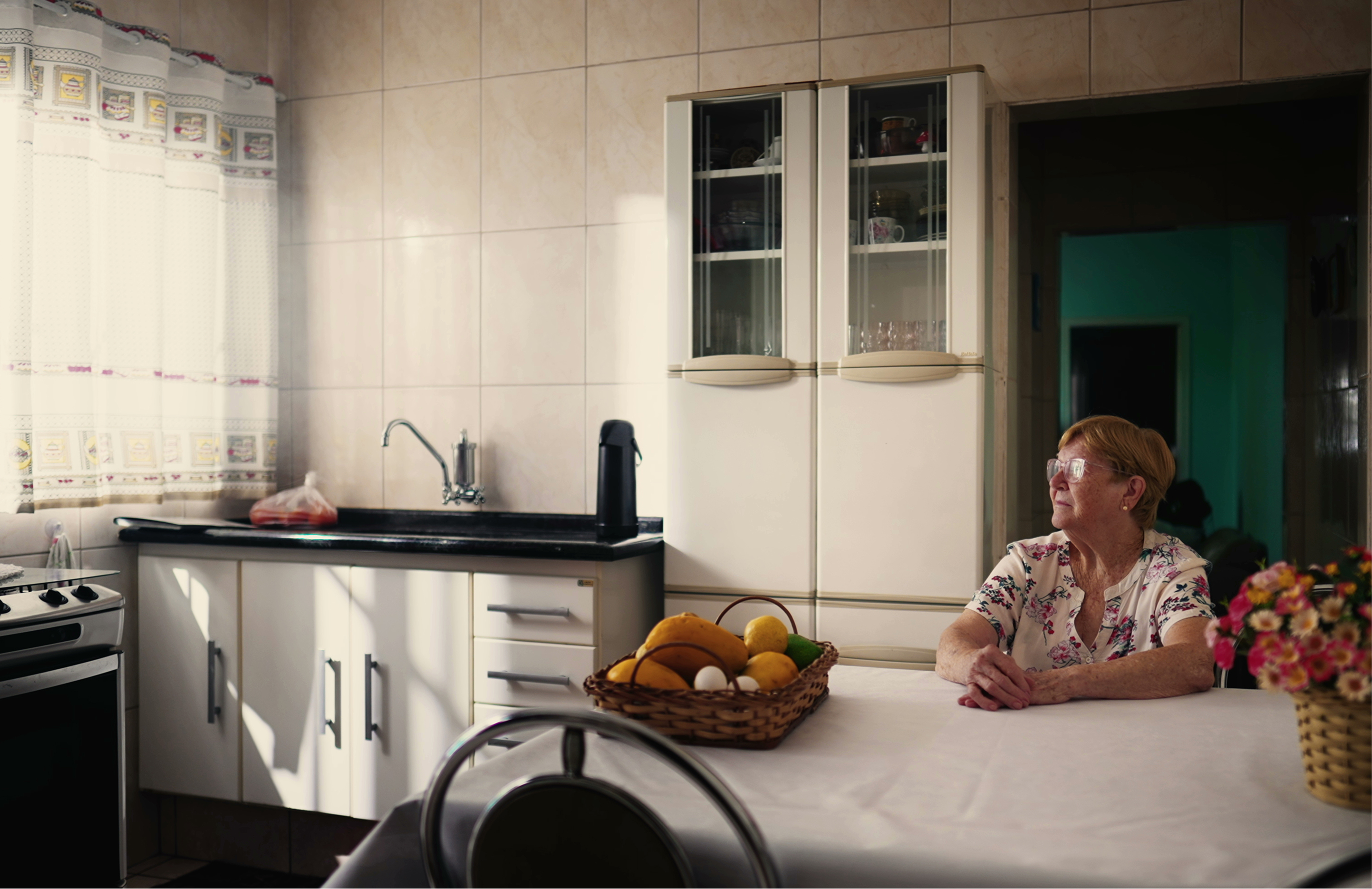
Social isolation, hospitalization, and healthcare utilization reinforce each other in ways the health system rarely addresses directly. Today, older adults are discharged quicker and sicker, and often more disconnected. Without social support, the risk of readmission climbs.
Before admission, isolation can reduce medication adherence and health-seeking behaviour. During a hospital stay, physical deconditioning and disconnection from social networks compound the problem. After discharge, the barriers to connection are often the highest and the healthcare system's attention is often already elsewhere. The result is a costly, preventable cycle that no single sector can break alone.


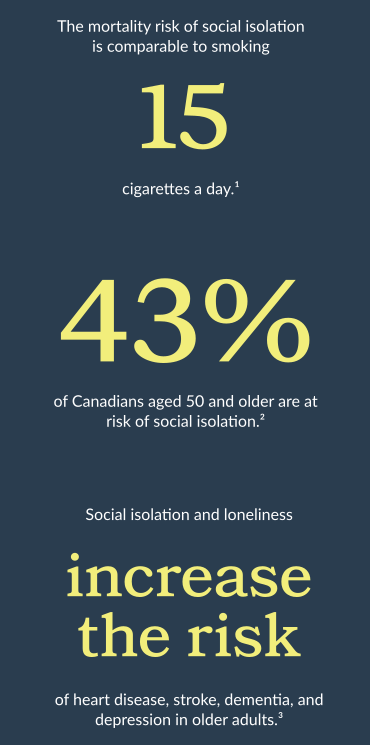
1 CCSMH, citing US Surgeon General Advisory (2023)
2 NIA (2024)
3 CCSMH
Our Mission
We use the hospital visit as a sentinel moment, a critical opportunity to identify social isolation among older adults and connect them to community-based support. We build, test, and refine these pathways in real clinical settings, generating the evidence needed to demonstrate their feasibility and scalability across diverse care contexts.
Our Vision
To be a self-sustaining social movement where hospitals act not as the heroes of health, but as active, humble partners (spokes) within a broader community ecosystem. In this future, social isolation screening is a standard of care, and communities are equipped to support the well-being of older adults.

Connected healthcare, built on partnership
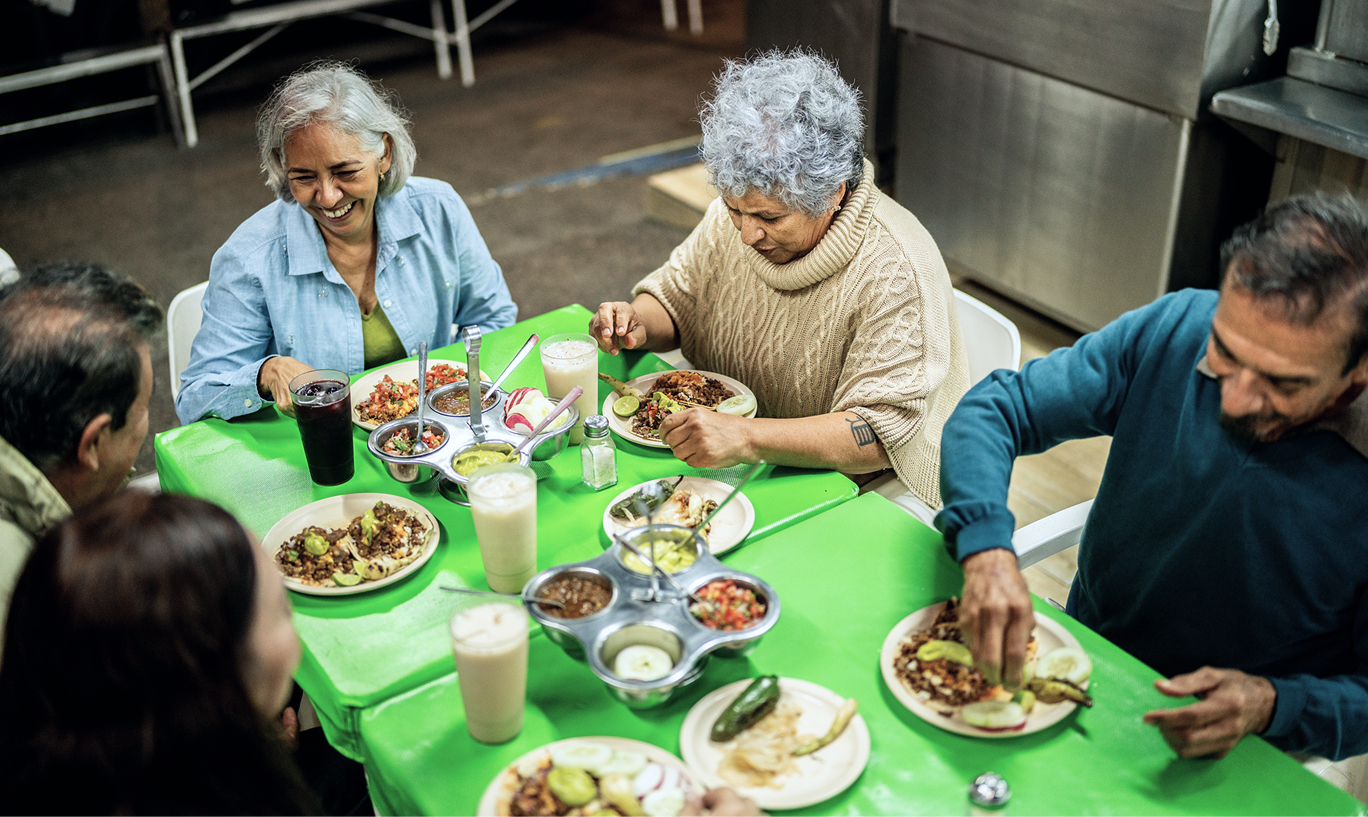
The Social Vital Sign project positions hospitals as one part of a larger care ecosystem. The goal is not simply more efficient referrals — it is non-hierarchical partnership between hospitals and community-based services, where both sides of the sliding doors share responsibility for the health of older adults.

Care that matches the whole person
Health is biological, psychological, and social. Our model responds to all three — recognizing that a safe discharge is not just about physical recovery, but about whether someone has the social connections and emotional supports needed to promote and sustain their health at home.

A national model for adoption
Using a build-while-implementing approach across diverse sites, we are generating the validated tools, frameworks, and implementation evidence needed for other systems to adapt and adopt. This work creates a blueprint that travels beyond our pilot sites.
Our Approach
The Social Vital Sign project treats social isolation with the same clinical rigour as hypertension. Acting now, rather than waiting for a completed study, is how we close the gap between what the evidence tells us and what care actually does. The goal is straightforward: people should leave hospital medically safe and socially supported.
We use a build-while-implementing strategy: launching active screening and community connection pathways quickly, then using rapid learning cycles to refine our approach in real time across multiple clinical settings. Evidence is generated in action.
Learn more
Funding Partners
The Social Vital Sign project is made possible through the generous support of our funding partners. Our collaborators are vital to our approach, allowing us to generate the models and tools necessary for national scaling.
Get involvedPrimary Funding Partner

Implementation Partners





Get in touch
Interested in learning more about how to collaborate or get involved?
Fill out our form or contact info@socialvitalsign.com for more information